SERVICES
WEB DEVELOPMENT
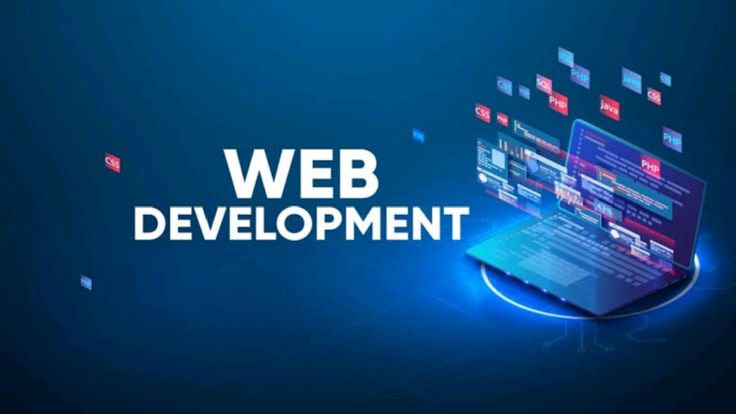
Web development is the complete process of creating, designing, building, and maintaining websites and web applications. It involves both the front-end (what users see) and the back-end (how the website works in the background). Front-end development focuses on layout, visuals, responsiveness, and user experience, while back-end development handles databases, servers, security, and overall functionality.
A well-developed website is essential for any business today. It acts as the digital face of the brand—showing professionalism, building trust, and helping customers understand your services. Good web development ensures the website loads fast, works smoothly on all devices, and provides a seamless user journey.
With strong web development, businesses can improve their online presence, reach a wider audience, showcase products or services, and offer convenient digital experiences for customers. From e-commerce platforms to portfolio sites, web development plays a key role in helping brands grow, stand out online, and stay competitive in the digital world.
SEO
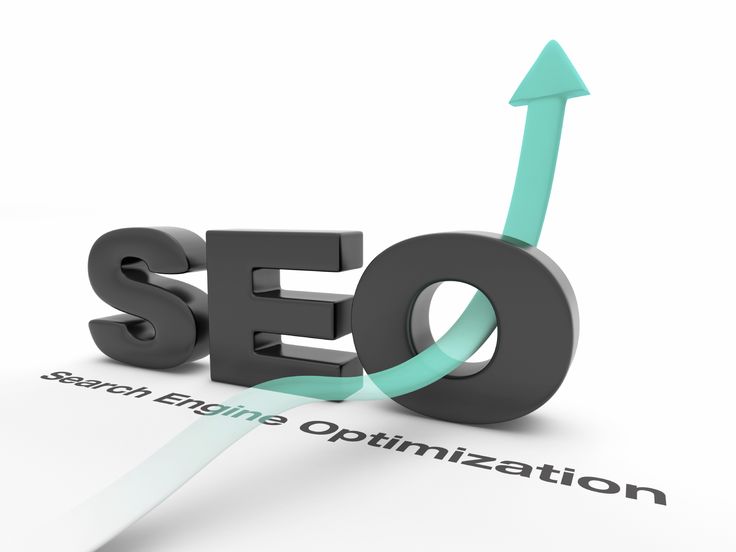
SEO (Search Engine Optimization) is the process of improving a website so it ranks higher on search engines like Google, bringing in more organic (free) traffic. It focuses on understanding what people search for, how search engines work, and how to make your website more relevant, trustworthy, and user-friendly.
SEO includes several important areas:
On-Page SEO: Optimizing content, keywords, titles, and structure of your website pages.
Off-Page SEO: Building trust through backlinks, social signals, and brand mentions.
Technical SEO: Improving website speed, mobile-friendliness, security, and overall performance.
A strong SEO strategy helps businesses appear in top search results when customers look for products or services. Higher ranking means more visibility, more clicks, and more potential customers. SEO builds long-term credibility because people trust websites that appear on the first page of Google.
SEO is essential in today’s digital world where customers search online before making any decision. With consistent optimization, quality content, and proper technical setup, SEO helps businesses grow sustainably, increase brand authority, and achieve long-lasting results without relying only on paid ads.
SMM
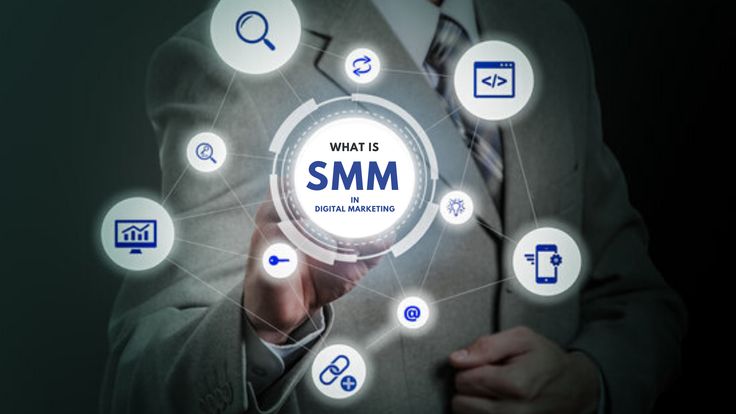
Social Media Marketing (SMM) is a powerful digital marketing method that uses social platforms like Instagram, Facebook, YouTube, LinkedIn, and TikTok to promote a brand and build meaningful connections with the audience. It goes beyond just posting pictures or videos—SMM is about understanding your audience, creating valuable content, and using data to drive growth.
Through SMM, businesses can showcase their products, share stories, respond to customers instantly, and create a community around their brand. Creative content such as reels, posts, carousels, stories, and short videos helps capture attention, build engagement, and increase brand visibility. Paid social media ads add even more value by targeting the right people based on age, interests, location, and behavior—ensuring every marketing rupee is used effectively.
A strong social media presence also builds trust, improves brand reputation, and makes your business look active and customer-focused. It helps attract new customers, retain existing ones, and drive traffic to websites or online stores. With regular posting, smart strategy, and consistent engagement, SMM helps businesses stay relevant in a competitive digital world.
In today’s fast-paced online environment, social media marketing is no longer optional—it is essential for growth, brand awareness, and long-term success.
CONTENT MARKETING
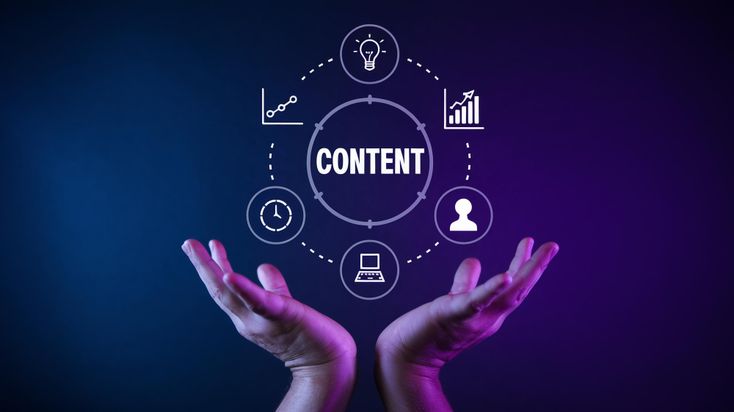
Content marketing is a strategic digital marketing approach focused on creating, publishing, and sharing valuable content that attracts, educates, and engages the right audience. Instead of using hard-selling techniques, content marketing builds trust by giving people the information they need—through blogs, videos, reels, infographics, case studies, social media posts, newsletters, and guides.
The core idea behind content marketing is simple:
Provide value first, build trust next, and convert customers naturally.
By consistently delivering useful and relevant content, businesses position themselves as experts in their industry. When customers find answers, solutions, or inspiration through your content, they begin to see your brand as reliable and credible. This trust eventually leads to higher conversions, stronger customer loyalty, and long-term brand growth.
Content marketing also plays a major role in boosting SEO, improving website traffic, and helping brands rank higher on search engines. Quality content attracts new visitors, encourages them to stay longer, and increases the chances of turning them into leads or customers. It also strengthens brand awareness, builds a strong digital presence, and keeps your business competitive in today’s fast-moving online world.
EMAIL MARKETING

Email marketing is a digital marketing strategy that involves sending targeted messages to a group of subscribers via email to promote products, services, updates, or valuable content. Unlike social media or ads, email marketing allows businesses to communicate directly with their audience in a personalized and cost-effective way.
Effective email marketing can include newsletters, promotional campaigns, welcome emails, product updates, offers, and automated sequences. The key is to deliver relevant and engaging content that meets the needs of the recipients, building trust and nurturing relationships over time.
Email marketing helps businesses:
Stay connected with existing customers
Generate leads and drive conversions
Promote products, offers, and events
Build brand loyalty and customer retention
With proper segmentation, personalization, and automation, email marketing becomes one of the most powerful tools for driving long-term growth. It provides measurable results, higher ROI compared to many other marketing channels, and ensures that your message reaches the right audience at the right time.
In today’s digital world, email marketing remains an essential strategy for businesses to maintain direct communication, boost sales, and strengthen their online presence.
SEM
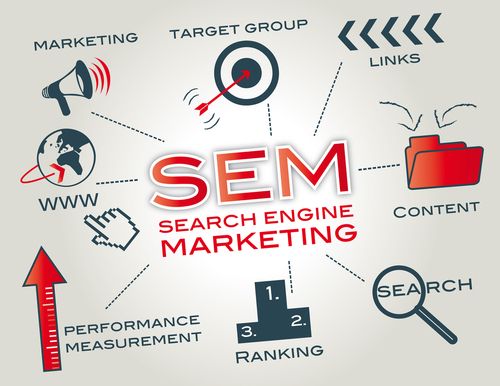
Search Engine Marketing (SEM) is a digital marketing strategy that uses paid advertising to increase a website’s visibility on search engine results pages (SERPs) like Google or Bing. Unlike SEO, which focuses on organic traffic, SEM delivers immediate results by targeting potential customers through paid campaigns such as Google Ads.
SEM involves selecting the right keywords, creating compelling ads, and bidding strategically so that your ads appear to users searching for products or services similar to yours. It allows businesses to reach a highly targeted audience based on location, interests, behavior, and search intent, ensuring that every advertising dollar is used effectively.
The main benefits of SEM include:
Quick visibility on search engines
Targeted traffic from potential customers
Measurable results and ROI tracking
Increased brand awareness and sales opportunities
A well-executed SEM strategy complements SEO by driving both organic and paid traffic, helping businesses gain a strong online presence and generate leads faster. In today’s competitive digital landscape, SEM is essential for companies looking to attract customers quickly, stay ahead of competitors, and achieve measurable marketing results.